
Understanding Remote Call Control
What is Remote Call Control?
Remote call control is a powerful technology that enables users to manage telephone calls from a distance, leveraging a variety of devices and applications. This innovative system allows individuals to take calls, manage call settings, and even interact with voicemails without being physically present at their devices. Essentially, remote call control bridges the gap between traditional telephony and modern technology, enhancing communication significantly.
The Benefits of Remote Call Control
The advantages of remote call control are numerous and impactful. For one, it increases flexibility, allowing employees to manage calls from anywhere. Whether you’re in a remote office, a cafe, or traveling, access to your business phone system is seamless. It also promotes productivity; features like call forwarding while auto-attending help ensure that calls are not missed. Moreover, enhanced collaboration tools enable team members to communicate easily, whether they’re in the same office or across the globe.
How Remote Call Control Works
At its core, remote call control leverages Voice over Internet Protocol (VoIP) technology. By utilizing an internet connection, users can connect their calls through specific applications or devices, allowing for remote management. Users can link their smartphones, computers, or even specialized hardware to manage incoming and outgoing calls, adjust settings, and access voicemails, often through an intuitive interface. This makes it an essential tool for businesses looking to streamline communication processes and improve overall efficiency.
Setting Up Remote Call Control
Essential Equipment for Remote Call Control
To effectively implement remote call control, certain essential equipment is required. This typically includes:
- Smartphone or Tablet: Most applications for remote call control work efficiently on mobile devices, enabling users to manage calls on the go.
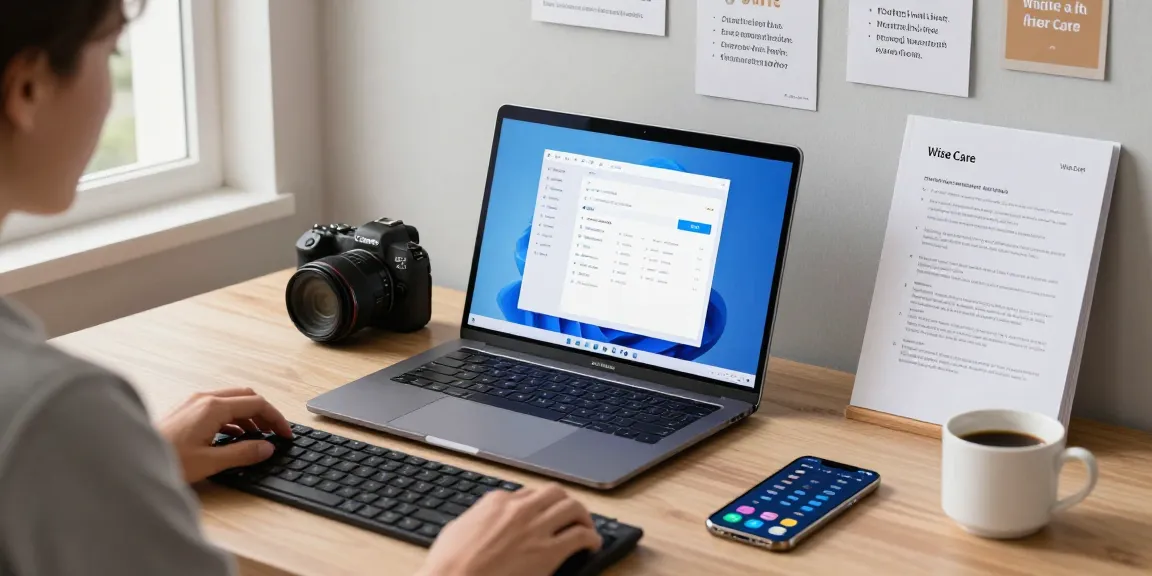
- Computer: Desktops and laptops can provide larger displays for better user experience, especially for applications with extensive features.
- Headset or Speakers: A quality headset or speakerphone is crucial for clear audio during calls.
- Stable Internet Connection: A reliable broadband connection is vital to ensure seamless communication without interruptions.
Step-by-Step Installation Guide
Setting up remote call control can seem daunting but following these steps can simplify the process:
- Choose a Remote Call Control Provider: Select a software solution that fits your needs, considering aspects such as usability, features, and support.
- Download and Install: Follow the instructions to download the software onto your device. Installation typically includes straightforward prompts.
- Account Setup: Create an account or log in to sync your devices with your call control settings.
- Integrate with Phone Systems: Link your existing phone lines or systems with the newly installed application for smooth operations.
- Configure Settings: Adjust preferences such as call forwarding, voicemail notification, and user management options.
- Test the System: Make test calls to ensure everything is functioning properly.
Common Setup Mistakes to Avoid
While setting up remote call control, be mindful of potential pitfalls:
- Ignoring Compatibility: Always ensure that your hardware is compatible with the software you choose to avoid technical issues.
- Overlooking Security Settings: It’s essential to configure security features, especially if sensitive information is handled through the platform.
- Skipping Training: Neglecting to train staff on how to use the new system can lead to underutilization and frustration.
Optimizing Remote Call Control Features
Utilizing Advanced Features
Maximizing the advantages of remote call control requires understanding its advanced features. Options such as call analytics provide insights into call patterns and employee performance. Customizable voicemail systems can enhance customer experience, while integration with customer relationship management (CRM) software can streamline follow-ups and customer feedback collection.
Integration with Other Systems
Integrating remote call control with existing business tools can significantly enhance productivity. By linking the call system with applications like email, messaging services, and scheduling tools, businesses can ensure their teams communicate efficiently. This interconnectedness not only improves response times but also enhances collaboration across departments.
Best Practices for Remote Call Control Management
To effectively manage remote call control, consider the following best practices:
- Regular Monitoring: Keep an eye on call data and performance metrics to identify areas for improvement.
- Encourage Feedback: Regularly seek feedback from users about the system to adjust features or settings accordingly.
- Keep Software Updated: Regular updates ensure you have the latest features and security enhancements.
Real-Life Applications of Remote Call Control
Case Studies from Various Industries
Companies across different sectors have harnessed the power of remote call control to enhance their operations. For instance, in healthcare, practitioners can manage patient inquiries remotely, improving patient satisfaction. In education, schools can communicate effectively with parents and students regardless of location, facilitating better learning experiences.
Remote Call Control in Customer Service Environments
In customer service, remote call control has transformed how companies interact with their clients. With features like automated call routing and enhanced call management, customer service agents can provide quicker and more effective responses, leading to higher customer satisfaction ratings. Additionally, remote agents can easily manage queries from home or while traveling, ensuring consistency in service delivery.
Enhancing Team Collaboration with Remote Call Control
Remote call control significantly enhances team collaboration. For example, remote working teams can utilize features such as conference calling and video calls, which foster better interaction than traditional communication methods. Teams can share screens, conduct brainstorming sessions, and build camaraderie, irrespective of their physical locations.
Future Trends in Remote Call Control
Emerging Technologies Shaping Call Control
As technology continues evolving, several trends are shaping the future of remote call control. Artificial intelligence (AI) is emerging as a key player, offering features such as predictive dialing and chatbot integration, which can revolutionize customer interactions. Machine learning also enhances call analytics, allowing businesses to optimize their communication strategies further.
Predictions for Remote Communication
The evolution of remote communication will likely feature greater personalization, with systems that adapt to individual user preferences and behaviors. Additionally, as remote work becomes the norm, the demand for flexible, efficient communication systems will surge, prompting continuous innovations in remote call control technology.
Preparing for Changes in Call Management
Organizations must remain agile to adapt to the forthcoming changes in call management. This preparation involves training staff on new technologies and assessing current systems regularly to ensure they meet business needs. Companies that embrace change and invest in innovative communication tools will likely lead the market.
Frequently Asked Questions
What is remote call control?
Remote call control enables users to manage phone calls from various distances using technology, allowing for seamless communication without physical presence at the device.
What are the benefits of using remote call control?
It offers flexibility, enhances productivity, promotes collaboration, and helps businesses manage calls efficiently from anywhere.
Do I need special equipment for remote call control?
A stable internet connection and devices such as smartphones, tablets, or computers are essential for utilizing remote call control effectively.
Can remote call control integrate with CRM systems?
Yes, remote call control can be integrated with CRM systems to streamline customer interactions and enhance communication workflows.
How can I optimize my use of remote call control?
Regularly monitor performance metrics, gather user feedback, and stay updated with the latest software features to maximize its benefits.
Contact Information
Customer Service Email: [email protected]
Mobile Sales Email: [email protected]
Support Email: [email protected]
Call us: 0333 015 2615
Head Office: Fareham Innovation Centre, Merlin House, 4 Meteor Way, Fareham, Lee-on-the-Solent, PO13 9FU.
London Address: 124 City Road, London, EC1V 2NX
Manchester Address: Bartle House, Oxford Court, Manchester, M2 3WQ